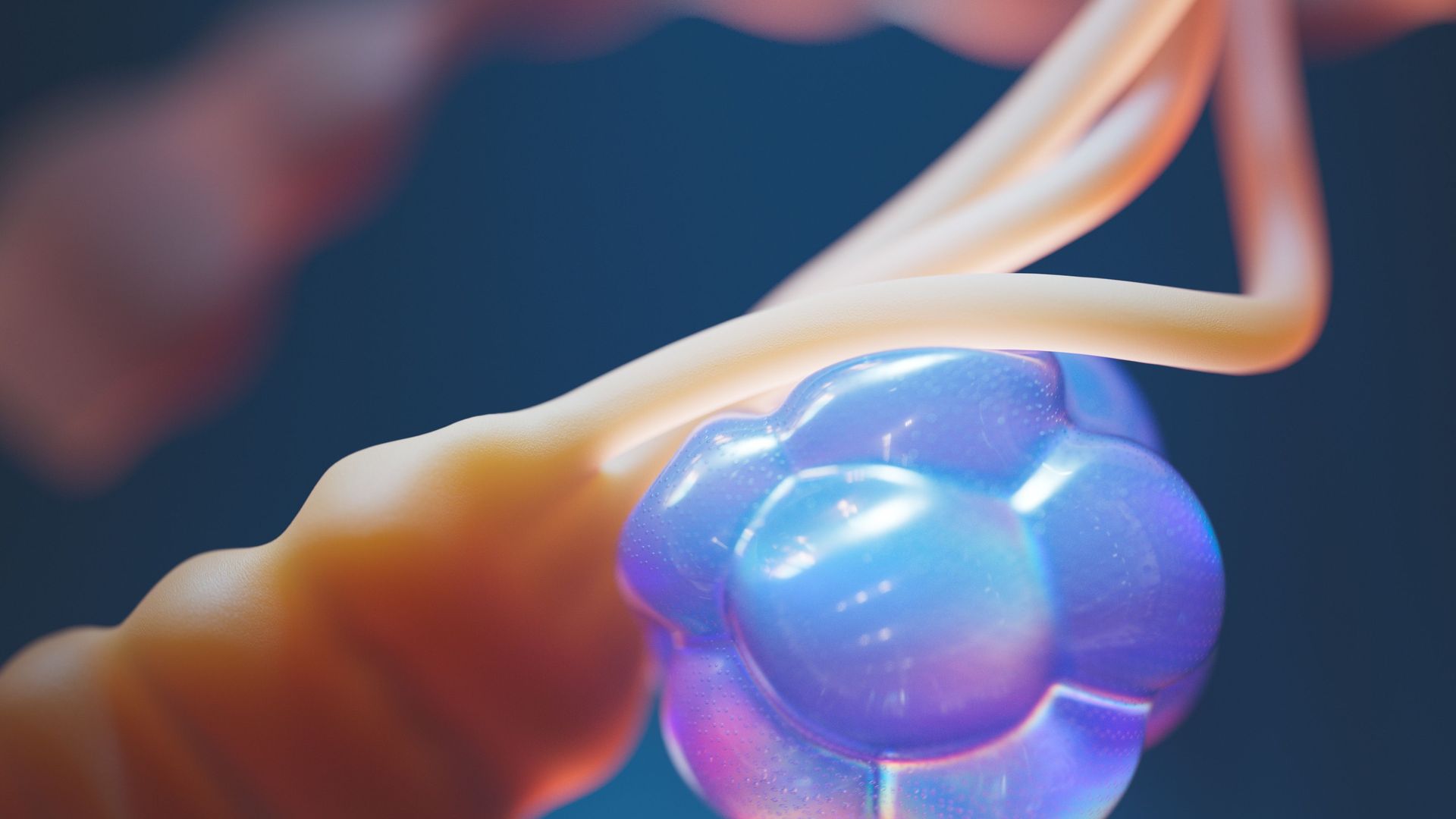
The Inner Workings of Weight Loss Medications
You’ve probably heard of medications like semaglutide and tirzepatide for weight loss — but how do they actually work?
Your body naturally produces hormones that are released in response to eating. These hormones help regulate hunger, fullness, blood sugar, and how your body uses and stores energy.
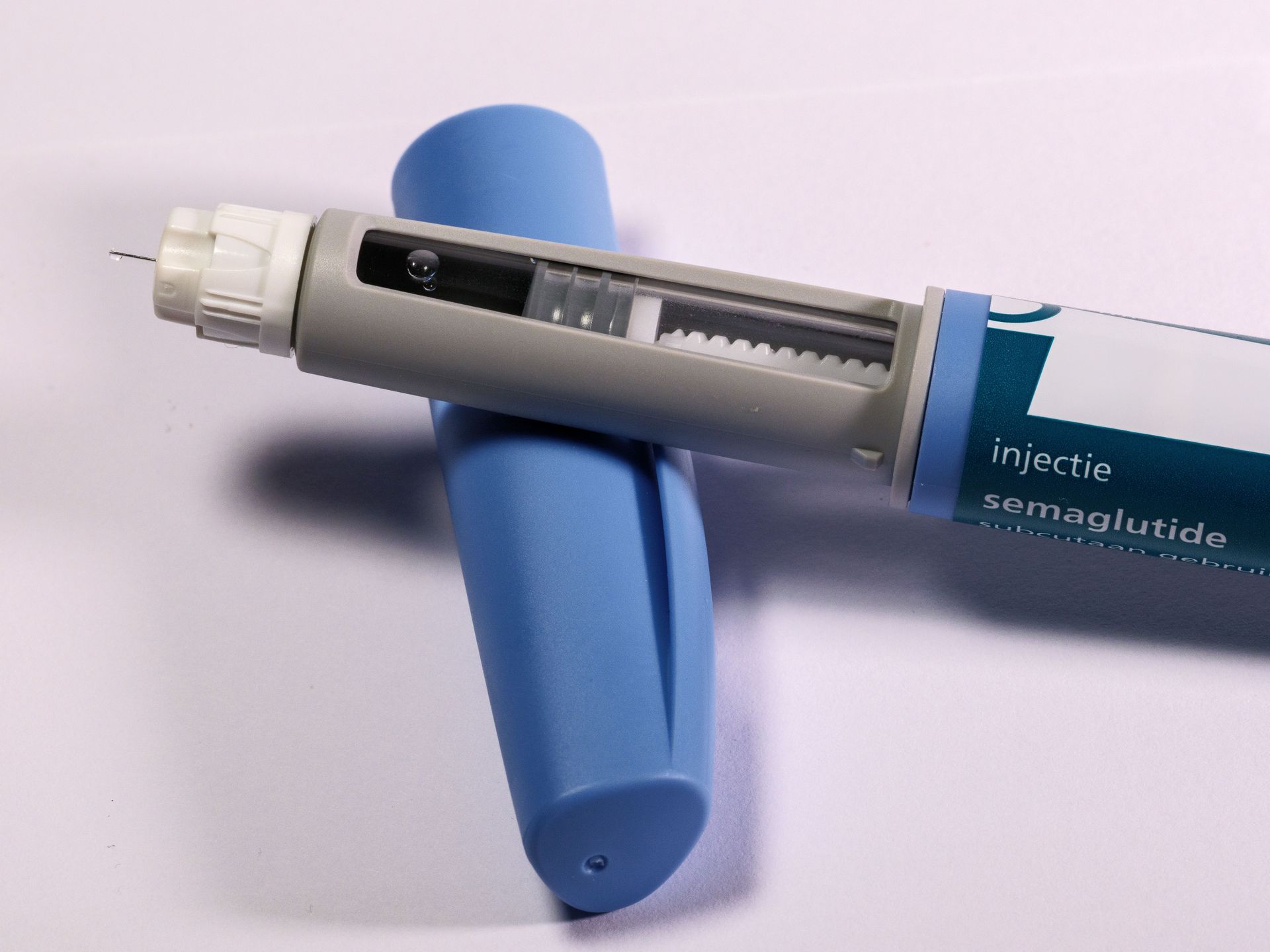
Semaglutide works by mimicking a hormone called GLP-1 (glucagon-like peptide-1). GLP-1 plays an important role in appetite regulation. Medications that activate GLP-1 receptors can help reduce appetite and food intake, increase feelings of fullness, and slow the movement of food through the stomach. They also improve blood sugar regulation.
Tirzepatide works on two hormone pathways. It activates both the GIP (glucose-dependent insulinotropic polypeptide) and GLP-1 receptors. These pathways influence appetite and food intake while also improving glucose regulation and insulin response.
So what about retatrutide?
Retatrutide is an investigational medication that works differently from semaglutide and tirzepatide because it activates three hormone receptors: GLP-1, GIP, and glucagon.
The addition of glucagon receptor activity is being studied for its potential effects on energy expenditure and metabolism. Early clinical research has shown significant weight loss with retatrutide, but it is still being studied and is not FDA-approved for weight management.
These medications are powerful tools, but they are not magic—and they are not right for everyone. The appropriate medication, dose, and treatment plan depend on your health history, goals, medications, and individual response.
If you're struggling with weight despite your best efforts, medical weight management may be worth exploring.